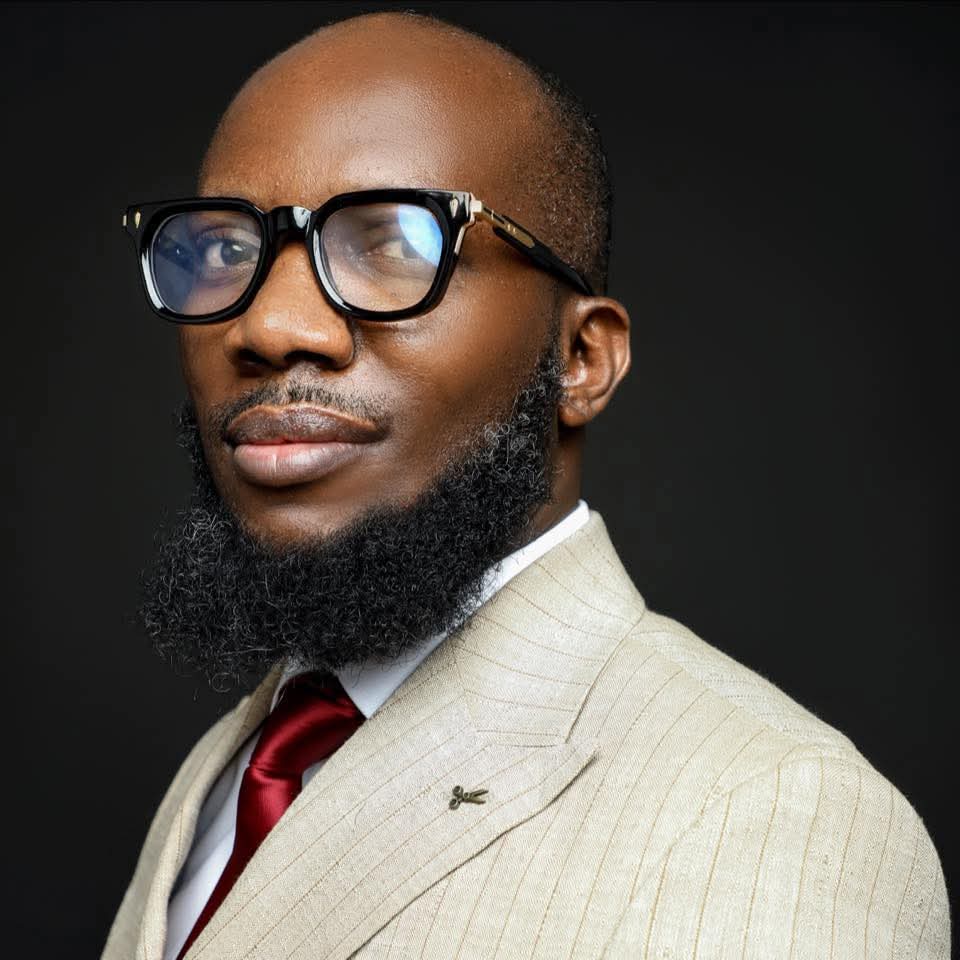
Human rights lawyer Inibehe Effiong raises concerns over DSS legal status, prosecutorial powers, and definition of “extrajudicial statement”
A legal debate has erupted following the reported cybercrime charge filed against former Kaduna State Governor, , over allegations that he claimed the National Security Adviser was wiretapped.
Starnigerianews.com gathered that Human rights lawyer, took to his Facebook page to question the legal foundations of the charge, describing it as “problematic in law.”
El-Rufai was reportedly charged after alleging that the National Security Adviser, , was subjected to wiretapping. However, Effiong argues that significant legal inconsistencies surround the prosecution.
One of the core issues raised by Effiong concerns the naming of the prosecuting authority. According to him, there is no legally recognized entity known as the “Department of State Services (DSS)” under Nigerian law.
He noted that the relevant statute, the , establishes the State Security Service (SSS), not the DSS.
“The law only recognizes the State Security Service (SSS),” Effiong stated, suggesting that referencing the DSS in a formal charge could raise procedural concerns.
Effiong further argued that the Act establishing the SSS does not grant it prosecutorial powers. This, he suggested, may create another layer of legal complication if the security agency is directly involved in instituting criminal proceedings.
Another key legal issue centers on whether El-Rufai’s comments during an interview on can qualify as an “extrajudicial statement.”
Effiong contended that for a statement to be considered extrajudicial and confessional, it must be made under caution. He maintained that El-Rufai’s television remarks were not made under caution and therefore may not meet the legal threshold.
He also pointed out that the former governor did not claim to have personally wiretapped the National Security Adviser but allegedly stated that someone else carried out the act and informed him.
Effiong emphasized that the constitutional right against self-incrimination would apply in the matter. He argued that no court can compel an accused person to give evidence against himself, reinforcing what he views as constitutional safeguards that could shape the proceedings.
While clarifying that he is not a supporter of El-Rufai, Effiong maintained that the charge, as presented, raises serious legal questions that the courts will ultimately resolve.
As the case unfolds, legal observers say it could test interpretations of cybercrime law, prosecutorial authority, and constitutional protections in Nigeria.
“Time will tell,” Effiong concluded.