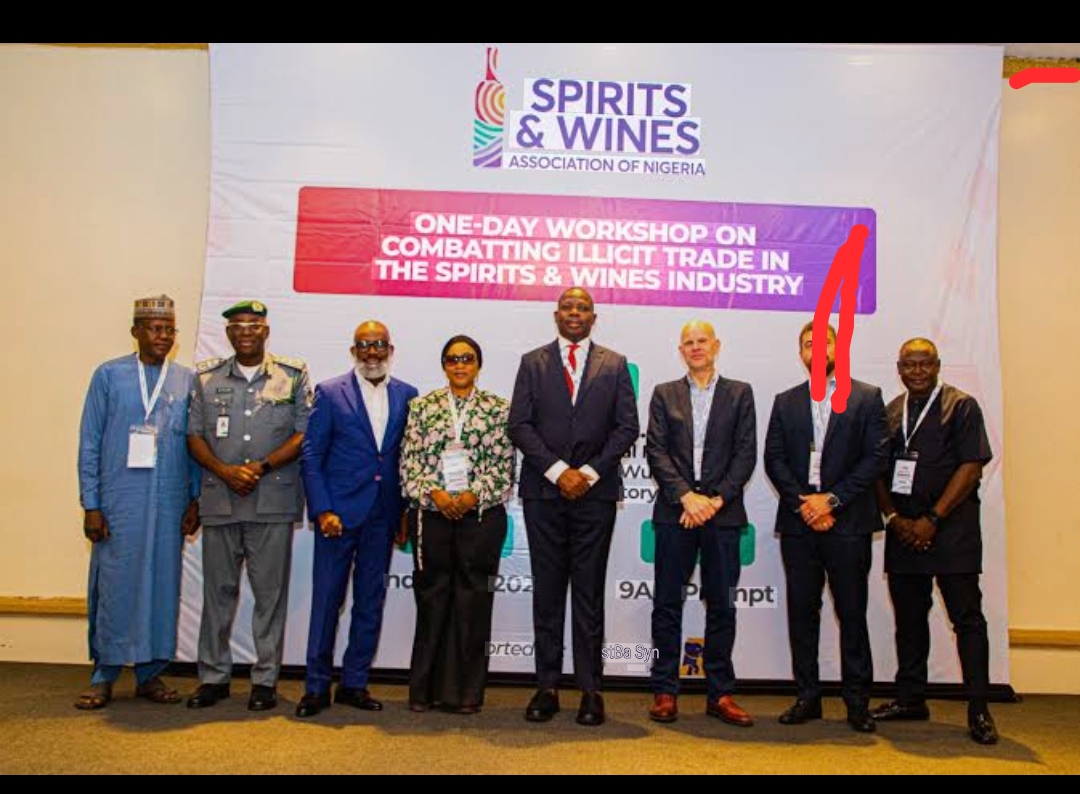
SWAN rallies agencies, stakeholders to sanitise spirits, wines sector
Despite the importance of wines and spirits in everyday social life across Nigeria, the sector is being threatened by increasing illicit trade, which is rubbing off on whatever success it has achieved over the years.
Across Nigeria, wines and spirits are familiar features of daily – at weddings, birthdays, naming ceremonies, business engagements, and weekend gatherings, playing a vital role in moments of connection, celebration, and shared experiences.
It was this threat of illicit trade that prompted the drive by the Spirits and Wines Association of Nigeria (SWAN) to sanitise the industry. This move is basically due to the fact that illicit trade in the industry is associated with economic crimes such as tax evasion, smuggling, counterfeit packaging, market distortions and revenue losses.
At a high-level workshop, held at the Continental Hotel, Abuja, the key players across the value chain, unanimously expressed their resolve to combat fake and adulterated alcoholic products threatening lives and livelihoods.
Apart from regulatory agencies, law enforcement bodies, manufacturers, distributors, legislators, senior media practitioners, the diplomatic community and international organisations, including Interpol and the Alliance Against Counterfeit Spirits (AACS), were also represented.
The conclusion at the workshop indicates that the Standards Organisation of Nigeria (SON), the Nigeria Customs Service (NCS), the National Agency for Food and Drug Administration and Control (NAFDAC), and the Federal Competition and Consumer Protection Commission (FCCPC) and other stakeholders have critical roles in combating illicit trade.
In his opening remarks, the Managing Director of Pernod Ricard and President of SWAN, Michael Ehindero, described illicit trade as a direct threat not only to business integrity but to human life.
“Illicit trade, defined as the production, importation, or sale of goods outside regulatory frameworks, continues to pose risks to consumer protection, government revenue, and legitimate businesses.
This includes counterfeiting, smuggling, illegal production, tax evasion, and the diversion of legitimate products into unauthorised channels. It is a global challenge that cuts across multiple sectors in the consumer goods industry, food and beverages, pharmaceuticals, tobacco, cosmetics, and alcohol, with significant consequences for public health, government revenues, and economic development.
According to him, counterfeiters are increasingly replicating trusted brands, producing and distributing illicit products outside regulated systems, while smuggling and parallel imports continue to bypass safety checks and taxes.