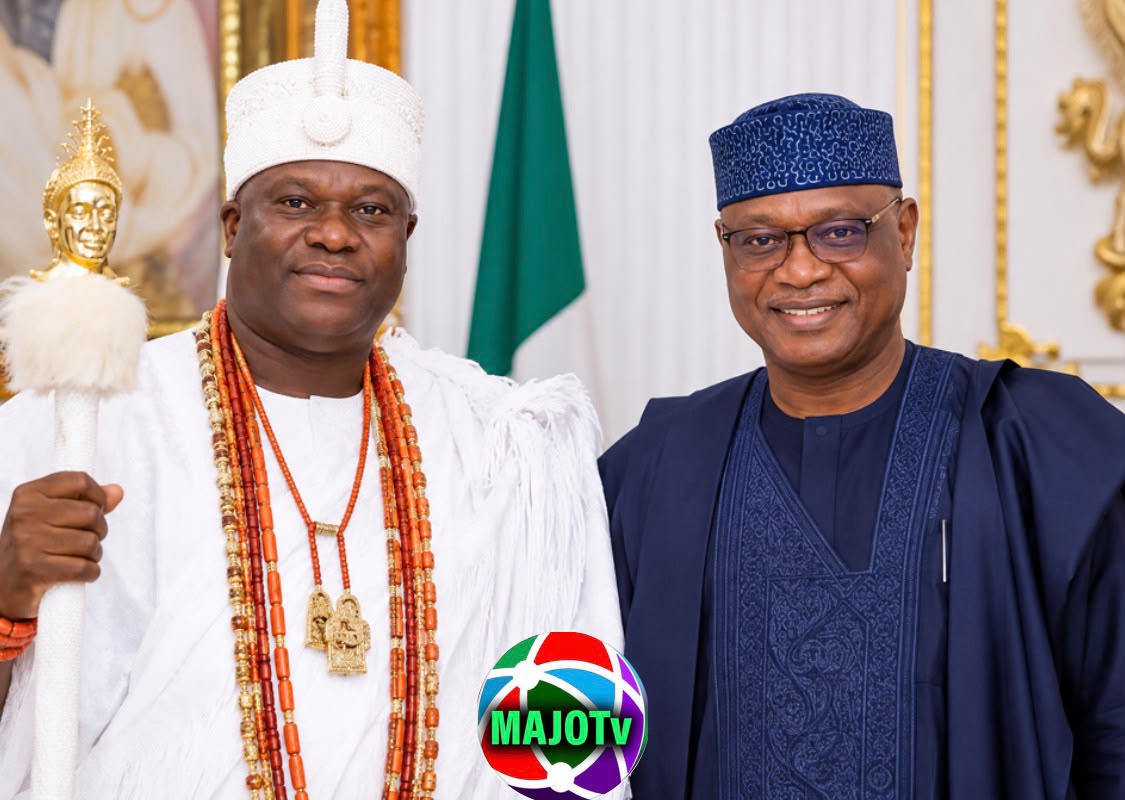
ARAMOKO COMMUNITY SEEKS OONI’S INTERVENTION AS SELECTION OF NEW ALARA REMAINS STALLED
…Appeals to Governor Oyebanji to Allow Kingmakers Complete Selection Process
…Warns That Prolonged Vacancy Threatens Traditional Festivals, Cultural Heritage and Community Stability
ARAMOKO-EKITI, EKITI STATE — The Alara-in-Council and the people of Aramoko-Ekiti have appealed to the Ooni of Ife, His Imperial Majesty, Oba Adeyeye Enitan Ogunwusi, CFR, Ojaja II, to intervene in the prolonged delay surrounding the selection of a new Alara of Aramoko-Ekiti.
In a press statement jointly signed by Chief Asao, Head of the Kingmakers, and Chief Sajowa, Secretary, on October 10, 2026, the community urged the revered Yoruba monarch to prevail upon Ekiti State Governor, Biodun Abayomi Oyebanji, to permit the kingmakers to reconvene and conclude the selection process.
The community expressed concern that the continued vacancy of the ancient Alara stool was adversely affecting traditional institutions, cultural activities and the preservation of Yoruba customs in the town.
According to the statement, Aramoko-Ekiti, whose historical roots are traced to the descendants of Oduduwa, maintains a longstanding cultural and spiritual relationship with Ile-Ife, regarded as the ancestral home of the Yoruba people.
The Alara-in-Council stressed that the traditional institution of Aramoko is deeply connected to Ile-Ife through its royal heritage, chieftaincy traditions and customary rites, making the intervention of the Ooni particularly significant.
SELECTION PROCESS STALLED AFTER KINGMAKERS’ VOTES ENDED IN A TIE
Providing details of the succession controversy, the council disclosed that the process of selecting a new Alara commenced in April 2026, in accordance with the Alara of Aramoko Chieftaincy Declaration and the Ekiti State Chieftaincy Law.
Following the initial screening exercise, three princes were reportedly shortlisted through an Ifa consultation conducted by Baba Araba Elebuibon.
The subsequent voting exercise involving the 12 accredited kingmakers ended in a six-to-six tie, necessitating a second round of voting to determine the successful candidate.
However, the council alleged that the process was subsequently postponed by the Ekiti State Commissioner responsible for Chieftaincy Affairs and had remained suspended for approximately six months.
The statement further claimed that several letters addressed to the state government seeking permission to conclude the exercise had received no response.
VACANT STOOL DISRUPTING TRADITIONAL ACTIVITIES
The community warned that the prolonged absence of a substantive traditional ruler was creating growing anxiety among residents, particularly the youths, while preventing the performance of important traditional festivals and customary rites.
The council maintained that the Alara stool represents more than a symbol of local authority, describing it as an important institution within the wider Yoruba cultural and traditional system.
It expressed fears that continued delays could weaken established cultural practices and undermine the traditional stability of the ancient community.
COMMUNITY APPEALS FOR PEACEFUL RESOLUTION
In its appeal, the Alara-in-Council described the Ooni of Ife as a revered father and custodian of Yoruba cultural heritage whose intervention could facilitate an amicable resolution.
The council specifically requested that the Ooni use his traditional influence to appeal to Governor Oyebanji to authorise the immediate reconvening of the kingmakers for the completion of the selection exercise.
The statement expressed confidence that the intervention of the Ooni, alongside the governor’s commitment to due process and respect for traditional institutions, would help resolve the impasse peacefully.
The community also reaffirmed its commitment to preserving the historical relationship between Aramoko-Ekiti and Ile-Ife.
The appeal concluded with the traditional Yoruba prayer, “Ki ade pe lori, ki bata pe lese,” expressing the wish for long life and enduring reign for the monarch.
The claims regarding the suspension of the selection process and the alleged lack of government response were contained in the council’s statement. No official response from the Ekiti State Government was included in the statement.
Reporting developments in traditional institutions, governance and community affairs across Yorubaland and Nigeria.