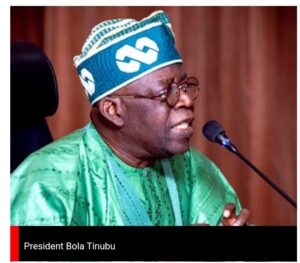
In his maiden New Year address to the nation, President Bola Tinubu, on Monday, said he took difficult steps at reforming Nigeria’s economy to avert a looming fiscal crisis
He assured Nigerians that the harsh economic realities would not last long, as his reforms would yield the desired results in 2024.
Upon assuming office in May 2023, the President announced the discontinuance of the decades-long subsidy on petrol, which, he said, had become “an unsustainable financial burden” on the economy.
He also unified the exchange rate, a move he described as “the removal of the chokehold of few people on our foreign exchange system that benefited only the rich and the most powerful among us.”
However, the aftermath of those decisions left Nigerians grappling with soaring inflation and skyrocketing living and operating costs for individuals and businesses, respectively.
Reflecting on what he called “difficult but necessary” decisions, Tinubu said, “Over the past seven months of our administration, I have taken some difficult and yet necessary decisions to save our country from fiscal catastrophe.”
He acknowledged the discomfort these decisions have brought upon Nigerians, emphasising, “I am well aware that for some time now the conversations and debates have centered on the rising cost of living, high inflation which is now above 28 per cent and the unacceptable high under-employment rate.